Blog
Free Line Tracing Worksheets for Kids – Pre-Writing Practice Workbook PDF

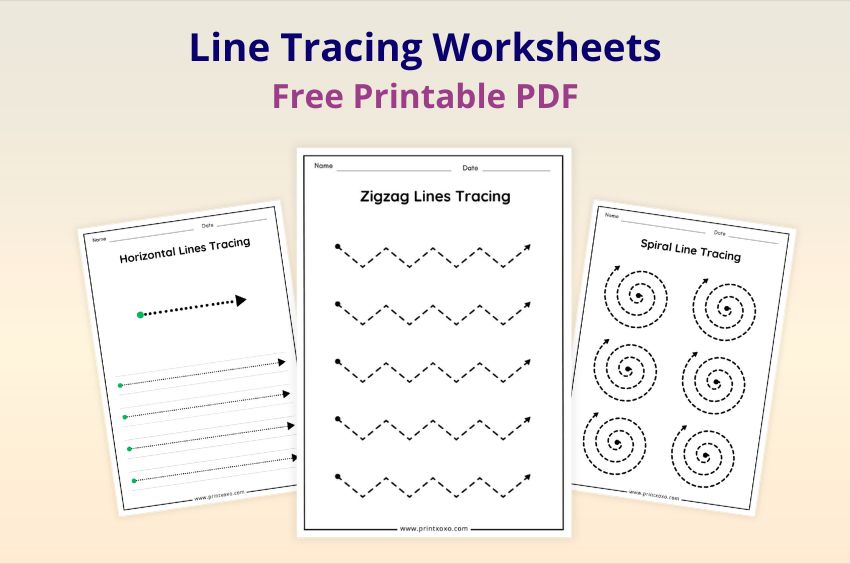
If your child is just starting to hold a pencil, line tracing is the best place to begin.
Before kids learn letters and numbers, they need to control simple strokes. Straight lines, curves, zigzags, and spirals help build hand strength and coordination. That’s exactly what these printable line tracing worksheets are designed for.
This free workbook includes different types of line practice pages arranged from easy to slightly more challenging. Parents and teachers can print them at home and use them for preschool, pre-K, or kindergarten practice.
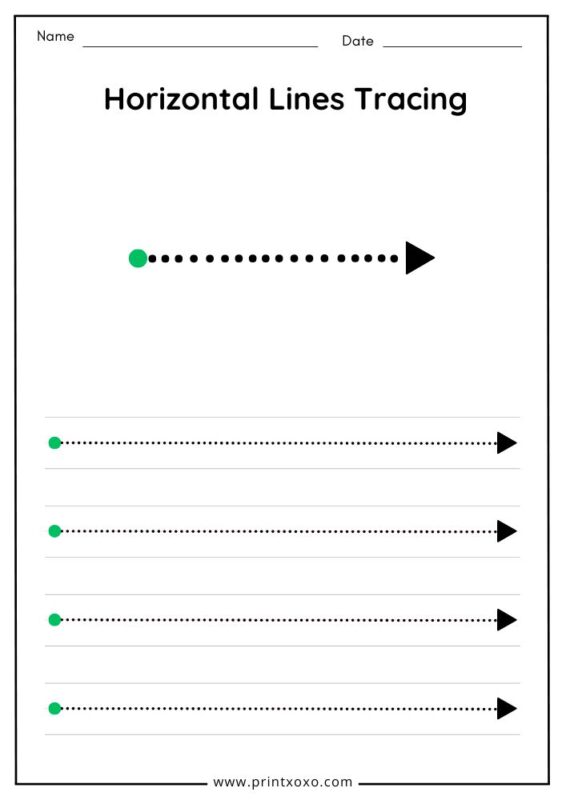
Practice simple left-to-right straight strokes. Great for building early pencil control and steady hand movement.
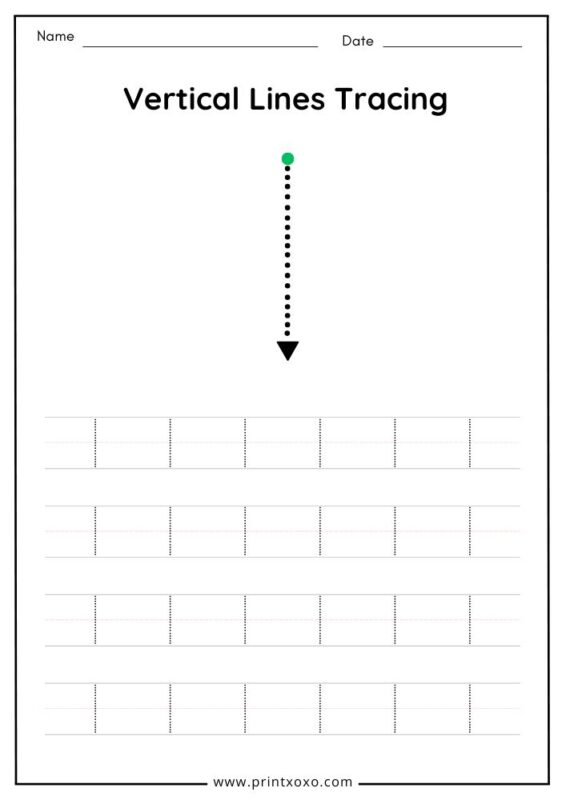
Help your child practice straight up-and-down lines. This improves grip strength and basic writing direction skills.
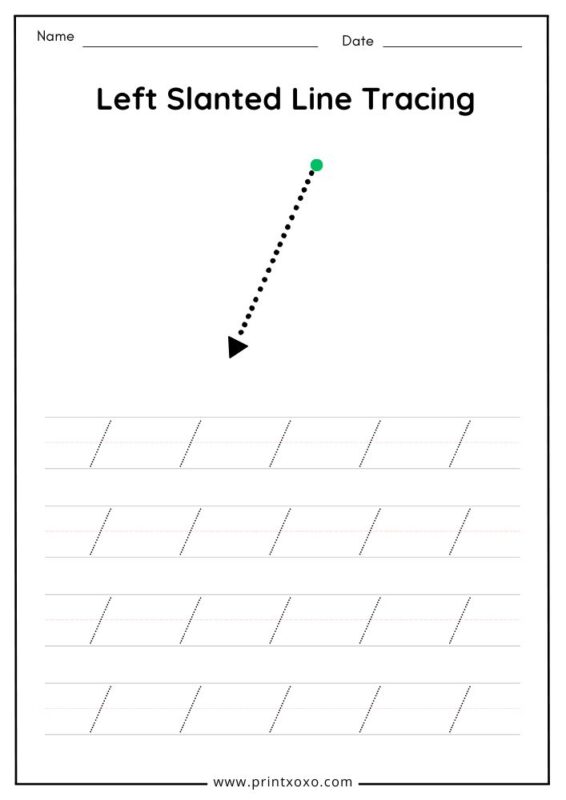
These diagonal lines help kids control angled strokes. A great step before forming letters like A, V, and K.
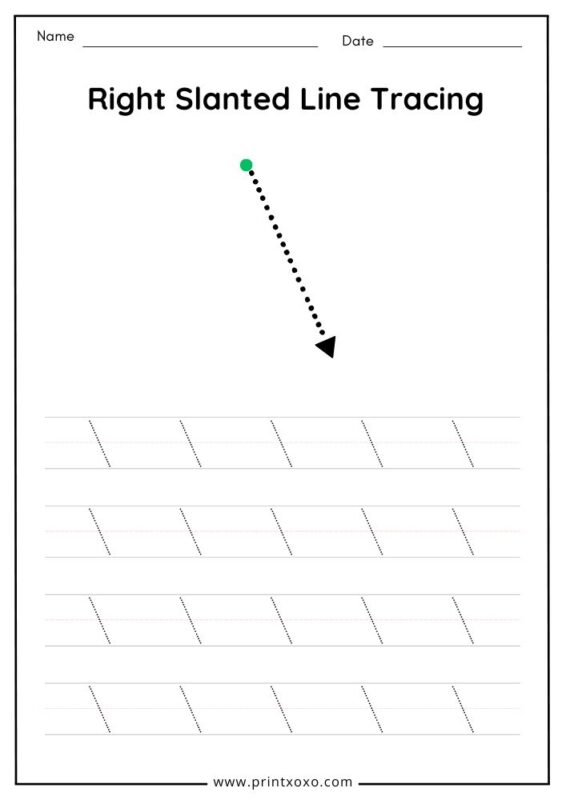
Practice right-leaning diagonal lines for better stroke balance. This supports early handwriting development and shape control.
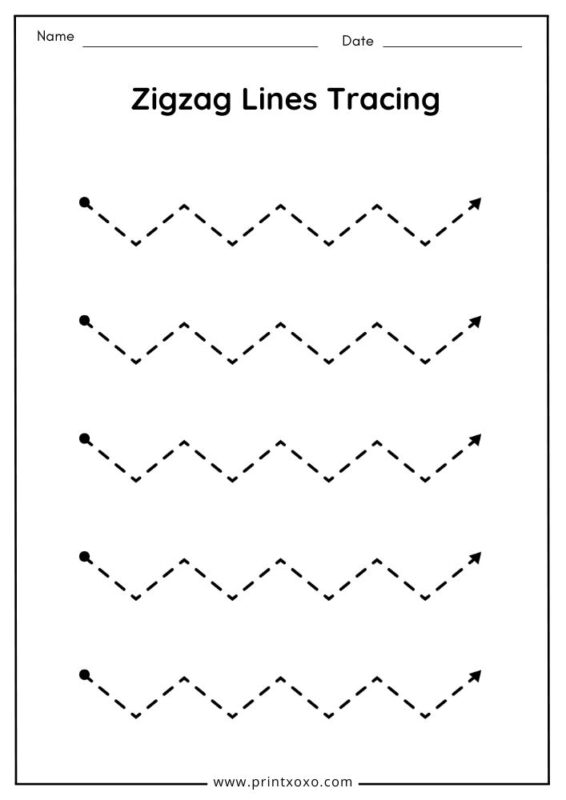
Zigzag lines train quick direction changes. Perfect for improving hand coordination and movement control.
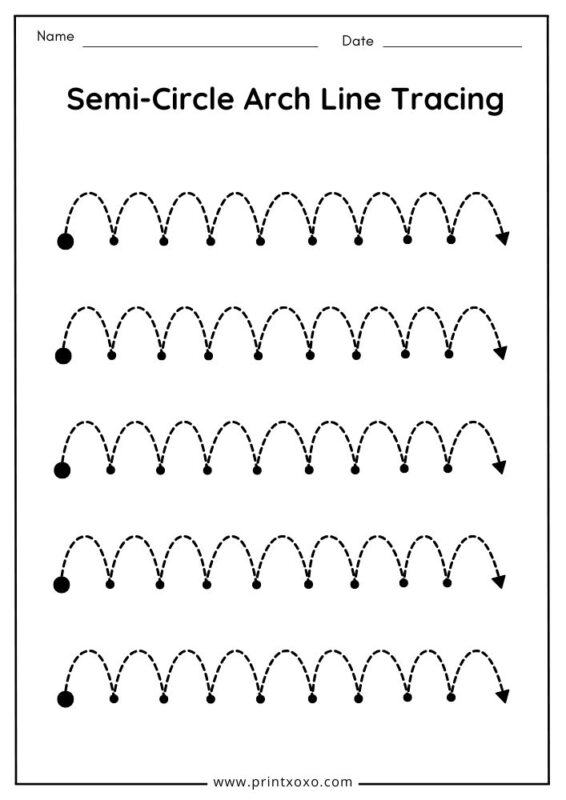
Practice smooth curved arch movements. This helps prepare children for letters with rounded strokes.
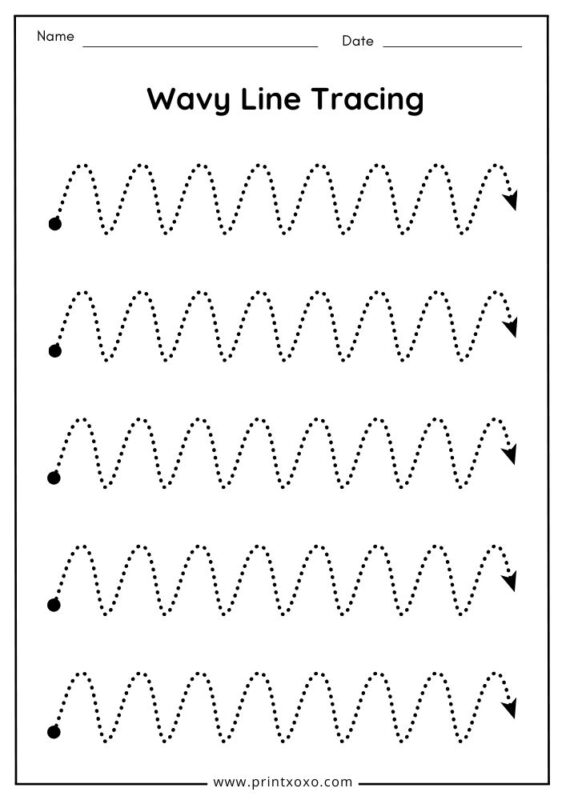
Follow the gentle wave pattern from start to finish. Great for building steady curved line control.
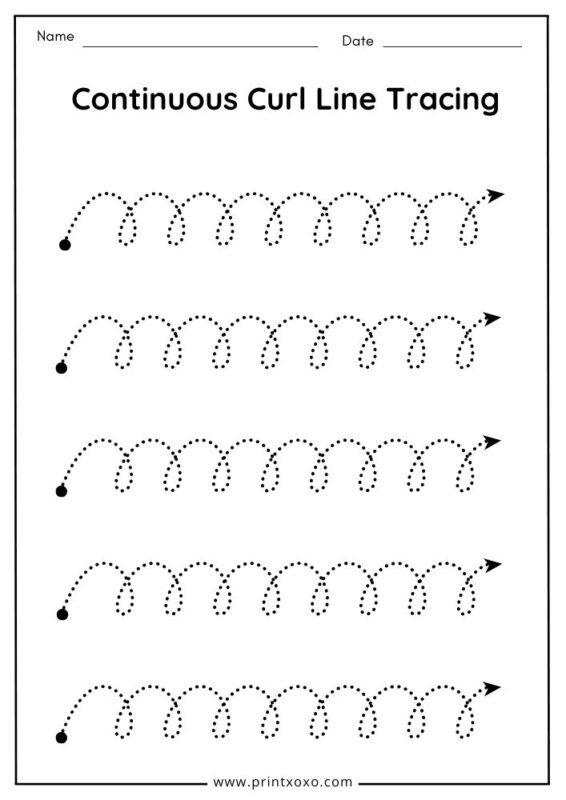
Trace repeated loop patterns across the page. This strengthens fine motor skills and writing readiness.
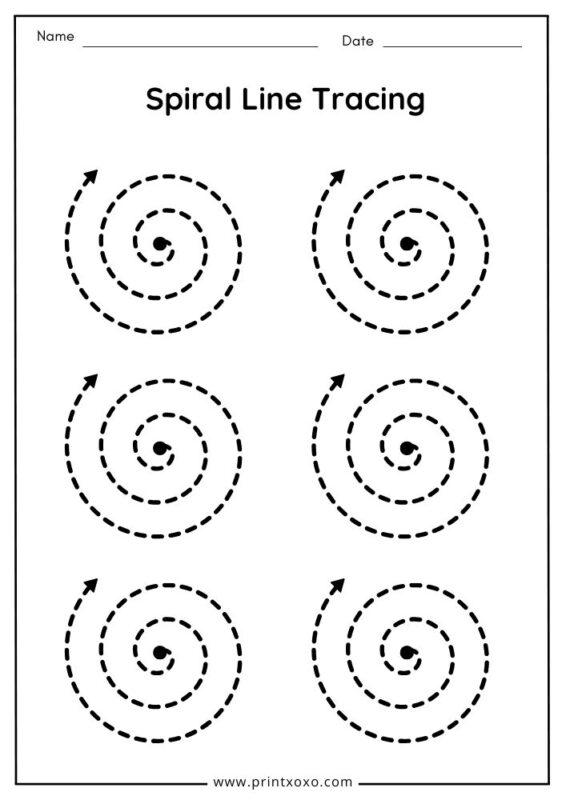
Start at the center and trace outward carefully. Spiral practice improves circular motion control and wrist flexibility.
What’s Included in This Line Tracing Workbook?
This printable pack includes:
- Horizontal line tracing
- Vertical line tracing
- Left slanted line tracing
- Right slanted line tracing
- Zigzag line tracing
- Semi-circle arch tracing
- Wavy line tracing
- Continuous curl tracing
- Spiral line tracing
Each page focuses on one type of movement. This helps children practice without feeling overwhelmed.
Why Line Tracing Is Important
Line tracing may look simple, but it builds important early skills:
- Improves fine motor control
- Strengthens finger and wrist movement
- Develops left-to-right direction awareness
- Builds writing confidence
- Prepares children for letters and numbers
Many parents jump straight to alphabet tracing. But children who master basic lines first usually learn handwriting more smoothly later.
How to Use These Worksheets
- Download the PDF.
- Print on regular A4 or US letter paper.
- Use a pencil, crayon, or dry-erase marker (if laminated).
- Encourage your child to start at the dot and follow the arrow direction.
Tip: Short practice sessions (5–10 minutes) work best for preschoolers.
Who Are These Worksheets For?
These line tracing worksheets are perfect for:
- Preschoolers (ages 3–4)
- Pre-K students
- Kindergarten beginners
- Homeschool families
- Classroom centers
- Occupational therapy practice
They are designed for beginners who are still learning pencil control.
Printing Tips
For best results:
- Use black and white printing
- Print single-sided
- Use thicker paper if possible
- Store in a folder for repeated practice
You can also place the sheets inside plastic sleeves and reuse them with dry-erase markers.
Frequently Asked Questions
What age should start line tracing?
Most children begin between ages 3 and 4. However, every child develops at their own pace.
Should my child master lines before letters?
Yes. Basic line control makes letter formation much easier and less frustrating.
How long should practice sessions be?
Keep it short and positive. Five to ten minutes is enough for young children.
Can I reuse these worksheets?
Yes. Laminate them or use sheet protectors for repeated practice.
Keep Learning
If your child enjoys these worksheets, you may also like:
Practicing a little every day makes a big difference.
Final Thoughts
Strong writing skills begin with simple lines.
These free printable line tracing worksheets help children build the control and confidence they need before moving on to letters and numbers.
Download the PDF, print a few pages, and start practicing today.